
Electroplating process steps
Electroplating process steps is a widely used process in industries ranging from jewelry to automotive manufacturing. It involves coating a material with a thin layer of metal to enhance its appearance, durability, or functionality. By utilizing electricity and a specialized solution, electroplating ensures a precise and uniform deposition of metal on various surfaces. This article delves into the step-by-step procedure of the electroplating process, highlighting the essential stages that contribute to achieving high quality results. Whether for decorative purposes or industrial applications, understanding these steps is key to mastering this versatile technique.
Electroplating Process Steps: A Comprehensive Guide
Electroplating is a surface-finishing process used to coat one material with a thin layer of another metal using an electric current.
Below is a comprehensive guide detailing its steps:
Preparation of the Substrate
The preparation of the substrate involves cleaning it thoroughly to remove dirt, grease, and rust.
This includes degreasing with solvents, acid pickling to eliminate oxides, rinsing with water to remove residues, and drying to ensure no moisture remains.
These Electroplating process steps create a clean, smooth surface for the electroplating process.
Cleaning the Substrate
- Purpose:
To ensure the base material is free from dirt, grease, and other contaminants.
- Process:
Mechanical Cleaning: Sanding, grinding, or brushing to remove heavy deposits.
- Chemical Cleaning:
Degreasing using solvents or alkali-based solutions to remove oils and grease.
- Electrolytic Cleaning:
An electrochemical process that removes oxide layers and ensures a pristine surface.
Pre-Treatment
- Purpose:
To prepare the surface for better adhesion of the plating material.
- Process:
Acid pickling to remove oxides or scales from the substrate.
Rinsing with water to neutralize the surface after acid treatment.
Electrolyte Solution Preparation
- Purpose:
To create a bath containing the desired plating metal ions.
- Process:
Dissolve a metal salt (like nickel sulfate for nickel plating) in a suitable solution.
Add additives to enhance plating quality, like brighteners and leveling agents.
Maintain specific temperature and pH levels to ensure optimal plating conditions.
Electroplating Setup
- Purpose:
To establish the electroplating circuit.
- Process:
The substrate (cathode) and the plating metal (anode) are immersed in the electroplating solution.
The components are connected to a DC power source.
The cathode attracts metal ions, while the anode dissolves to replenish ions in the solution.
Electroplating
- Purpose:
To deposit a uniform metal layer onto the substrate.
- Process:
Apply a direct current, causing the metal ions in the solution to move toward the cathode.
Metal ions are reduced to form a metallic layer on the substrate.
Monitor parameters like current density, bath composition, and plating time for consistent results.
Post-Treatment
- Purpose:
To enhance the durability and appearance of the plated item.
- Process:
Rinse the plated item thoroughly to remove residual solution.
Dry the item to prevent water spots or oxidation.
Apply additional treatments like polishing or passivation, if necessary.
Quality Inspection
- Purpose:
To ensure the plating meets desired standards.
- Process:
Visual inspection for uniformity and surface finish.
Thickness testing using instruments like X-ray fluorescence.
Adhesion and hardness tests to evaluate durability.
By following Electroplating process steps carefully, electroplating can produce high-quality coatings with improved functionality and visual appeal.
Read more: What is the Electroplating Process?
Electroplating Procedure
Electroplating is a process of coating a material with a thin layer of metal using electricity.
And here’s a simple procedure:
- Clean the Object:
Remove dirt, grease, and oxides using solvents, acid, or abrasives.
- Prepare the Electroplating Solution:
Dissolve metal salts ( like nickel or copper) in water to create the plating bath.
- Set Up Electrodes:
Connect the object to the cathode (negative electrode) and the plating metal to the anode (positive electrode).
- Immerse in Solution:
Submerge both the object and the metal in the electroplating bath.
- Apply Electric Current:
Pass direct current through the solution. Metal ions from the anode move to the cathode and coat the object.
- Rinse and Dry:
Remove the object, rinse off solution residues with water, and dry it thoroughly.
This results in a uniform metal coating on the object.
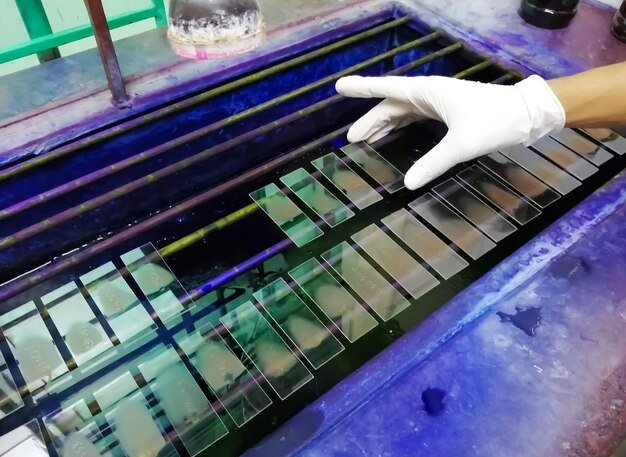
Why to choose Sama Al-samha for Electroplating?
Choosing Sama Al-Samha for electroplating services ensures quality, reliability, and precision in every project.
Sama Al-Samha is renowned for its advanced electroplating techniques, utilizing cutting-edge technology and premium-grade materials to deliver flawless finishes.
The company emphasizes strict quality control measures to ensure uniform and durable coatings that meet the highest standards.
With expertise in handling a variety of metals and substrates, Sama Al-Samha tailors its services to suit diverse industries, including automotive, construction, and decorative applications.
Additionally, their commitment to customer satisfaction, timely delivery, and eco-friendly practices makes them a trusted partner for all electroplating needs.
All in all, Electroplating process steps is a precise and methodical procedure that enhances the durability, functionality, and aesthetic appeal of various materials. By following the outlined steps from substrate preparation to post-treatment manufacturers can achieve high-quality results that meet industrial and decorative needs. This versatile technique plays a crucial role in industries ranging from electronics to automotive, underscoring its importance in modern manufacturing.
Understanding and mastering each step of the electroplating process ensures not only superior finishes but also long-lasting performance, making it an indispensable tool in surface engineering.
Read more: pvd electroplating