powder coating structural steel is a popular method for protecting structural steel from corrosion and wear. This durable and attractive finish not only enhances the steel’s appearance but also provides a strong barrier against environmental factors. In this article, we’ll explore the benefits and process of powder coating structural steel, highlighting why it’s a preferred choice in various industries.
What Is Powder Coating
Powder coating is a finishing process used to apply a durable, protective, and decorative layer to a wide range of metal and non-metal surfaces.
Unlike traditional liquid paint, powder coating uses a dry powder made from finely ground particles of pigment and resin.
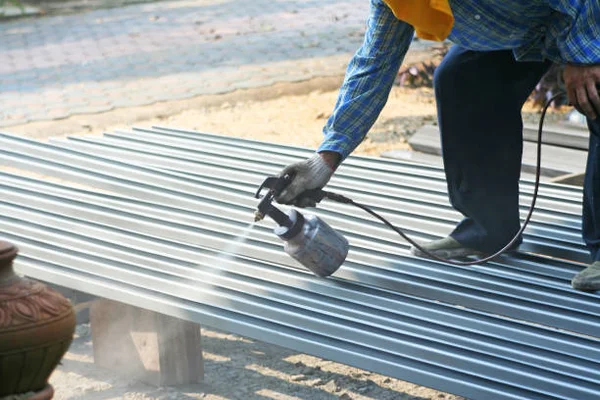
Here’s an overview of the powder coating process:
How It Works:
- Preparation:
The surface to be coated is first cleaned and prepped to remove any dirt, oil, rust, or other contaminants.
This step is crucial for ensuring proper adhesion of the powder.
- Application:
The powder is applied to the surface using an electrostatic gun, which charges the powder particles, causing them to adhere to the grounded surface.
- Curing:
After the powder is applied, the coated object is placed in a curing oven, where it is heated to a specific temperature.
This heat causes the powder to melt, flow, and form a uniform, solid coating as it cools.
read more: metal works dubai
Types of Powder Coating:
- Thermoplastic:
These coatings can be melted and re-melted, making them ideal for applications where the coating might need to be reprocessed or removed.
- Thermoset:
Once cured, thermoset coatings cannot be re-melted. They form a strong, durable finish that is highly resistant to heat, chemicals, and impact.
The Process Powder Coating
The process of powder coating involves several key steps to ensure a high-quality, durable finish.
Here’s a detailed overview of each stage in the powder coating process:
Surface Preparation:
- Cleaning:
The surface to be coated must be thoroughly cleaned to remove any dirt, oil, grease, rust, or old coatings.
This is typically done using methods such as chemical cleaning, sandblasting, or pressure washing.
- Pre-Treatment:
To enhance adhesion and corrosion resistance, the cleaned surface is often treated with a chemical solution.
This could involve applying a phosphate or chromate coating, depending on the material being coated.
Powder Application:
- Electrostatic Spraying:
The powder coating applied to the surface using an electrostatic spray gun.
The gun charges the powder particles, which are then attracted to the grounded surface of the object being coated.
This ensures an even and consistent application.
- Fluidized Bed Application:
In some cases, particularly for thicker coatings, the part heated and then dipped into a fluidized bed of powder, where the powder adheres and melts onto the surface.
Curing:
- Heating:
Once the powder applied, the coated item placed in a curing oven.
The temperature and duration depend on the type of powder used, but it typically ranges between 350°F and 400°F (175°C to 205°C).
- Melting and Flowing:
The heat causes the powder to melt and flow, creating a smooth, continuous film on the surface.
- Polymerization:
As the coated object remains in the oven, the melted powder undergoes a chemical reaction that cross-links the molecules, forming a hard, durable finish.
- Cooling and Inspection:
- Cooling:
After curing, the coated object allowed to cool down and harden. This solidifies the coating into a tough, protective layer.
- Inspection:
The finished product inspected for any defects, such as uneven coverage, bubbles, or other imperfections.
Touch-ups or re-coating done if necessary.
Post-Processing (Optional step):
- Finishing:
Depending on the desired final appearance, additional steps like buffing, polishing, or applying a clear coat performed to enhance the gloss or texture of the finish.
- Assembly:
If the powder-coated parts are components of a larger product, they assembled after curing.
Quality Control:
- Testing:
The final product may undergo various tests to ensure the coating meets specific standards.
Common tests include measuring thickness, adhesion, impact resistance, and corrosion resistance.
What is the best coating for structural steel?
The best coating for structural steel depends on the environment and specific needs.
Hot-dip galvanizing is excellent for corrosion resistance, especially outdoors.
Epoxy coatings provide strong protection against chemicals and moisture, often used with polyurethane topcoats for added UV resistance and durability.
For fire protection, intumescent coatings are the go-to choice.
Generally, a combination of these coatings used to ensure the steel well-protected.
choose your services and contact us now
kinds of coating for structural steel
Here are some common types of coatings use for structural steel:
- Hot-Dip Galvanizing:
A zinc coating applied by dipping steel into molten zinc, offering excellent corrosion resistance.
- Epoxy Coatings:
Provide strong protection against moisture and chemicals, often used as a primer.
Polyurethane Coatings: Used as a topcoat for UV resistance and durability.
- Zinc-Rich Primers:
Offer corrosion protection similar to galvanizing, often used as part of a multi-coat system.
- Intumescent Coatings:
Expand when exposed to heat, providing fire protection.
- Powder Coatings:
Applied electrostatically and cured with heat, providing a durable and aesthetic finish.
benefits of Powder Coating
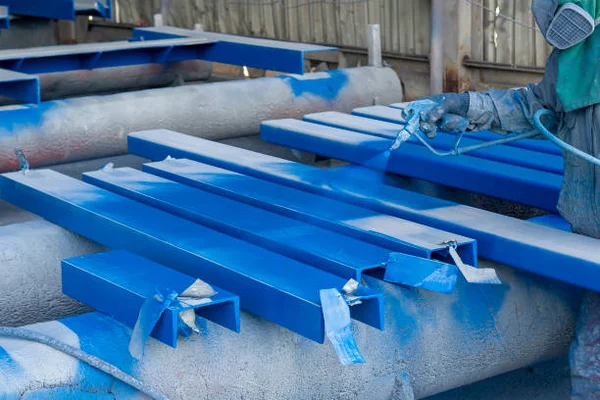
Here are the key benefits of powder coating:
- Durability:
Powder coating creates a thick, tough finish that resists chipping, scratching, and fading, making it ideal for high-use and outdoor environments.
- Corrosion Resistance:
It provides excellent protection against corrosion, particularly for metal surfaces exposed to harsh conditions.
- Environmental Friendliness:
Powder coating is eco-friendly as it doesn’t contain solvents or emit harmful (volatile organic compounds), and any overspray can recycled.
- Aesthetic Versatility:
Available in a wide range of colors, textures, and finishes, powder coating can enhance the appearance of the coated item with a consistent and attractive finish.
- Cost-Effective:
The process is efficient, often requiring fewer coats than liquid paint, and the durability of the finish reduces the need for frequent reapplications.
- Safety:
Since powder coating applied as a dry powder, it reduces the risk of flammability compared to liquid paints, making it safer to use in various environments.
best company for Powder Coating
Sama Al-Samha considered the best company for powder coating, offering top-notch services with a commitment to quality and precision.
Their expertise in delivering durable and aesthetically pleasing finishes makes them a leader in the industry, ensuring that every project meets the highest standards.
Whether for industrial, commercial, or decorative applications, Sama Al-Samha stands out for its excellence and reliability in powder coating.
In conclusion, powder coating structural steel services from Sama Al-Samha offers a highly effective solution for enhancing and protecting structural steel.
Its durability, resistance to corrosion, and aesthetic flexibility make it a top choice for many applications.
By applying a powder coating, you ensure that structural steel is not only safeguard against environmental damage but also given a sleek, long-lasting finish. Contact us now